
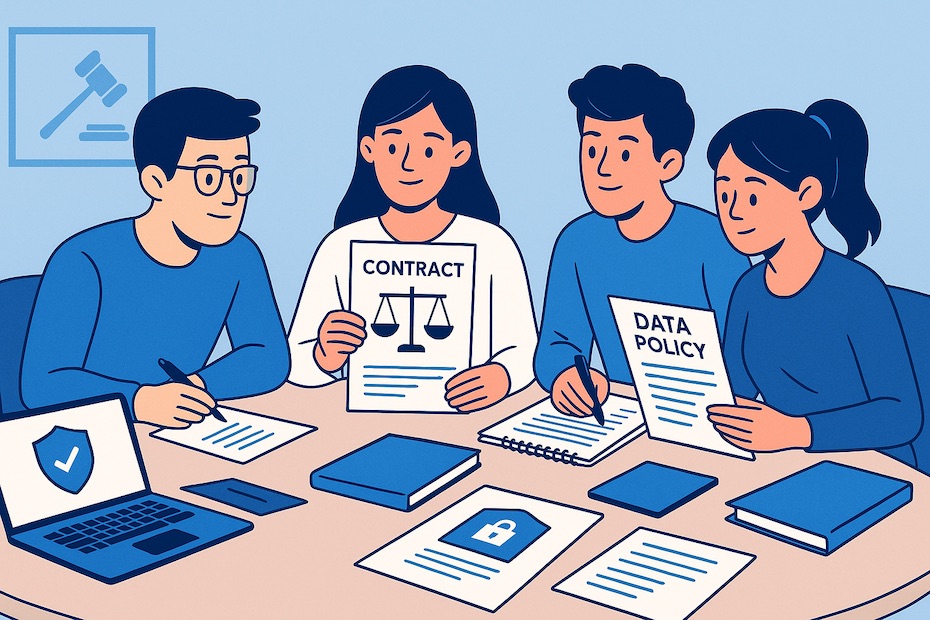
Launching your startup means juggling product, growth, and hiring—but don’t overlook the legal side. Missed filings, weak agreements, or unclear ownership can undo everything you’re building. Legal mistakes made in the early stages tend to snowball, and fixing them later costs time, money, and momentum. That’s why it’s critical to get your legal foundation right from the start. In this guide, you’ll walk through the seven most important legal areas every startup should address—so you can build, grow, and raise funds without legal blind spots.
1. Start with the Right Legal Entity
The type of business entity you choose affects your taxes, liability, and funding options. If you’re building a lifestyle business with a few partners, an LLC may work just fine. But if you’re aiming for VC funding, you’ll want to form a C-corporation—typically in Delaware—because most investors expect it and your future cap table will thank you.
Beyond choosing the entity, make sure you have your corporate documents in place. These include bylaws or an operating agreement, a founder equity table, and early board resolutions. Each one outlines how your startup is governed, who owns what, and how decisions get made. It also signals to investors that you’re prepared. If you delay these steps, you risk messy disputes or worse—deal-breaking gaps in your diligence files when you’re raising capital.
2. Protect Your Intellectual Property Early
Your brand, product, software, and inventions are the assets that give your startup value. If you don’t protect them early, someone else might. That begins with registering trademarks for your business name, logo, or key products. For original content or creative work, copyright filings are simple but necessary. If you’ve built proprietary software, systems, or hardware, consult with an IP attorney about whether patents are worth pursuing.
Just as important is assigning IP rights properly. If a co-founder, contractor, or employee contributes to your product, and you don’t have an intellectual property assignment agreement in place, they may still legally own what they built. That’s a red flag for acquirers and investors. Include IP clauses in employment agreements, contractor contracts, and founder documents. These don’t just protect you—they strengthen your negotiating position as your company grows.
3. Get Founder and Investor Agreements in Writing
Every startup begins with enthusiasm, but as roles evolve, equity shifts, or stress builds, legal clarity keeps everyone aligned. A founders’ agreement outlines how much equity each person holds, what their responsibilities are, and how vesting works over time. Standard vesting terms (usually four years with a one-year cliff) ensure no one walks away with a big chunk of equity too early.
As soon as you begin speaking with investors, even casually, make sure you’re using proper term sheets or SAFE agreements. If you’re offering convertible notes or preferred shares, involve a startup lawyer. Clean documents matter not just for legal accuracy, but for setting expectations around board seats, liquidation preferences, and future dilution. Avoid handshake deals or boilerplate contracts pulled from random sources—they usually backfire.
4. Make Sure You’re Data Privacy Compliant
If your product collects user information—email addresses, payment data, browsing activity, or anything personal—you’re subject to privacy laws. Depending on your users’ location, you may be governed by GDPR (Europe), CCPA (California), or other national privacy laws. Failing to comply can mean fines or forced product changes.
The basics include having a clear privacy policy, data retention protocols, opt-in consent mechanisms, and a plan for handling data breaches. As you scale, look into data protection officers, third-party audits, and automated consent tracking tools. It’s also important to know where your user data is stored—hosting in the wrong jurisdiction can put you in violation without realizing it. Taking privacy seriously earns customer trust and keeps regulators off your back.
5. Comply with Employment and Contractor Laws
As you build your team, understand the legal difference between employees and contractors. Misclassification is one of the most common startup legal mistakes—and it can trigger tax penalties, backpay obligations, and lawsuits. Contractors should be truly independent. If you’re setting schedules, providing tools, and directing their daily work, they may legally be employees.
In addition, every hire should sign an offer letter that includes intellectual property assignment clauses and a confidentiality agreement. If you’re offering equity, use the proper equity compensation documents and comply with applicable securities laws. It’s smart to have an employee handbook, even for a small team, to cover workplace policies and expectations. Employment law compliance protects your company and shows professionalism to future investors.
6. Use Solid Contracts for Vendors and Clients
Every deal you do—whether with a software vendor, marketing agency, client, or strategic partner—should be documented with a proper contract. Even if you trust the other party, written terms protect you from miscommunication and give you recourse if expectations aren’t met. You should define scope, deliverables, deadlines, payment terms, and intellectual property ownership in every agreement.
Non-disclosure agreements (NDAs) also play an important role in early-stage startup discussions. If you’re sharing your pitch deck, codebase, or business model with a vendor, investor, or advisor, have them sign a short NDA first. It’s not about distrust—it’s about protecting your competitive advantage while still moving forward. Clear contracts also make it easier to enforce payment terms, terminate bad deals, and manage your reputation.
7. Stay Ahead of Ongoing Legal Compliance
Startups move fast, but that’s no excuse to skip regular legal check-ins. You need to stay on top of annual filings, state or federal reporting requirements, business licenses, and board or shareholder meetings. If you raise a funding round, you’ll likely need to update your cap table, file updated corporate documents, and handle new compliance filings.
It’s a good habit to run a legal review at least once a year. That includes checking that all contracts are current, IP rights are properly assigned, employee files are in order, and your corporate records are complete. You don’t need to hire an expensive law firm for this—many startup-friendly firms offer flat-rate legal health checks. Staying organized and compliant isn’t just about avoiding penalties—it prepares you to close deals faster and with fewer surprises.
Key Startup legal checklist
- Choose the right entity
- Protect your IP
- Draft founder & investor agreements
- Ensure data privacy compliance
- Follow employment laws
- Use enforceable contracts
- Stay updated with filings
In Conclusion
Legal mistakes don’t always show up right away—but when they do, they’re costly. The good news is that you can protect your startup with a handful of smart decisions made early. Choose the right entity, secure your IP, document your relationships, and treat compliance as a growth tool—not a formality. When your legal foundation is strong, everything else builds faster and with fewer headaches.
For more insights into the legal landscape for startups and entrepreneurs, follow me on X.

Yitz Stern is a New York–based entrepreneur and business consultant with 20+ years of experience in alternative funding and real estate. A former CEO of Fundry and managing director at Tiger Financial Technologies, he now advises mid- to large, non-public companies on capital strategy and scalable growth while investing in multifamily real estate