
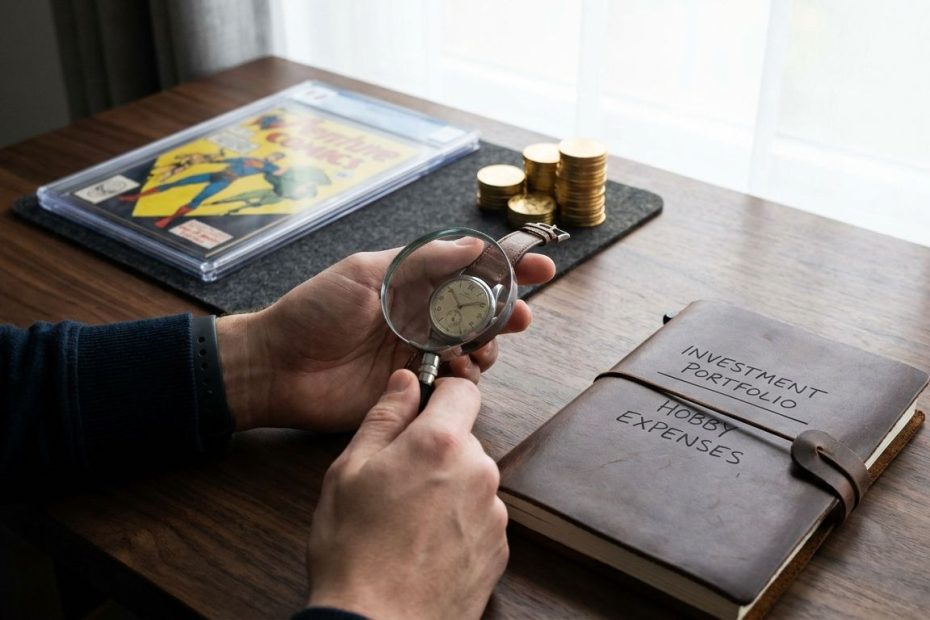
Collectibles can be real investments, but only when you buy scarce, authenticated, well-documented items with a realistic resale market. For most people, they behave better as expensive hobbies with possible upside, not as replacements for stocks, bonds, cash reserves, or real estate.
You’re dealing with passion assets: watches, rare coins, trading cards, art, wine, classic cars, comics, memorabilia, and antiques. Some can hold value or rise over time, but the difference between smart collecting and wishful thinking usually comes down to discipline, expertise, costs, taxes, and your ability to sell when the time comes.
Are Collectibles Actually Good Investments?
Collectibles are good investments only when the item has durable demand, limited supply, trustworthy authentication, and a buyer base that still exists when you want to sell. A rare object can become valuable, but rarity alone doesn’t create a market. You need people with money, desire, confidence, and a place to transact.
The collectibles market is large enough to deserve respect. Global collectibles were estimated at more than $320 billion, with forecasts pointing far higher by the next decade. That size tells you collecting is not a fringe activity, but it does not tell you that every graded card, signed jersey, watch, print, coin, or toy belongs in an investment account.
You should separate the market from your item. A big market can still punish weak inventory. A growing category can still leave you holding a piece nobody wants at the price you paid.
As an investment, a collectible has one major weakness: it usually pays you nothing during the holding period. A stock can pay dividends, a bond can pay interest, and rental property can produce income. A collectible sits there, requiring care, security, insurance, and patience.
That doesn’t make it worthless. It means your return depends on price appreciation after every cost is counted. Purchase premium, auction fee, grading fee, shipping, storage, insurance, maintenance, selling commission, and tax can eat into the number you thought you made.
You also need to accept that collectible returns are uneven. One watch reference can rise, another from the same brand can stall. One artist can gain attention, another can fade. One vintage sports card can attract serious buyers, and another card from the same era can sit for months with no bid close to the asking price.
The best way to think about collectibles is simple: they are real assets, but they are not automatically real investments. The object must earn that label. It earns it through provenance, condition, scarcity, demand depth, clean title, reliable pricing data, and a resale path that doesn’t depend on luck.
If you’re buying mostly because you love the object, call it a hobby and enjoy it. If you’re buying because you expect financial gain, judge it with the same hard eye you’d use on any asset. That’s where many collectors get tripped up.
What Makes A Collectible Investment Grade?
An investment-grade collectible has evidence behind it. You want verifiable authenticity, documented ownership history, condition reports, recognized grading where relevant, and comparable sales from reputable venues. The more subjective the item, the more documentation matters.
Condition is often the first separator between “nice to own” and “worth serious money.” A trading card with sharp corners, strong centering, and third-party grading can trade very differently from the same card with edge wear. A watch with original parts, box, papers, and service records can attract a different buyer than a polished, incomplete piece.
Scarcity matters, but manufactured scarcity deserves caution. A company can print “limited edition” on almost anything. True scarcity comes from low surviving supply, hard-to-replace quality, and a buyer base that keeps caring after the initial hype is gone.
Provenance can move an item from ordinary to notable. Art, antiques, historical documents, high-end jewelry, rare coins, and celebrity memorabilia often depend on the chain of ownership. If the story cannot be proven, you should price it as a story, not as fact.
Authentication is not optional in serious collecting. Fakes, altered items, undisclosed repairs, counterfeit signatures, trimmed cards, refinished antiques, and parts-swapped watches can destroy resale value. You don’t want to become the buyer who learns the lesson after wiring the money.
A proper investment-grade item also needs a visible exit route. You should know where it would sell before you buy it. That could mean a major auction house, a specialist dealer, a recognized online marketplace, a private collector network, or a category-specific trading platform.
Pricing transparency helps you avoid fantasy values. Asking prices are not sale prices. A dealer listing, an insurance appraisal, and a social media post do not equal cash in hand.
Look for repeated sales, auction records, bid depth, and category indexes where available. A collectible becomes easier to evaluate when similar items change hands often enough to show a real range. Thin markets can still work, but you need wider margins and more patience.
The seasoned buyer also tracks ownership costs. Wine needs proper temperature and humidity control. Classic cars need maintenance. Art may need climate control, insurance, and careful installation. Jewelry, coins, and watches may require secure storage.
If those costs feel annoying before you buy, they’ll feel worse after purchase. Build them into the price from day one. A collectible that looks cheap before storage and insurance can become expensive once the full bill arrives.
Why Do People Say Collectibles Are Just Expensive Hobbies?
People call collectibles expensive hobbies because many buyers purchase through emotion, nostalgia, status, or fandom. That’s not a problem by itself. The problem starts when you use an investment label to justify spending more than your financial plan can support.
Collectors often receive a non-financial return. You can display art, wear a watch, flip through comics, attend card shows, restore a car, or enjoy the hunt. That personal enjoyment has value, but it’s not the same as a portfolio return.
This is where you need honesty. If you’d still be happy owning the item after a sharp price drop, you’re probably collecting. If your satisfaction depends on selling later for a profit, you’re investing, and the object must clear a much higher bar.
Hobby markets can become dangerous during hype cycles. Prices rise, social media amplifies the winners, and new buyers start believing every item in the category is destined to climb. Then supply appears, sellers rush in, buyers become selective, and weaker pieces fall first.
Modern collectibles are especially vulnerable to overproduction. Toys, trading cards, sneakers, limited drops, and pop culture merchandise can feel scarce at launch, then lose momentum when buyers realize supply was wider than expected. A packed closet of unopened products is not the same thing as owning museum-quality inventory.
You also need to watch your own language. “I bought it as an investment” can sometimes mean “I paid too much and need the story to work.” That sentence has cost collectors a lot of money over the years.
A clean rule helps: fund your core financial goals before you fund collectible purchases. Emergency savings, retirement contributions, debt control, and diversified liquid investments should sit ahead of speculative collectibles. You can enjoy collecting with far less stress when the rest of your money life is stable.
Collecting becomes healthier when you assign it a budget. Decide how much you can spend without damaging your goals. If the item rises, great. If it doesn’t, you still bought something you wanted and controlled the downside.
The expensive-hobby label is not an insult. It can be the right label. A hobby you can afford, enjoy, document, and pass along can be rewarding even without a market-beating return.
Where people get hurt is pretending every passion purchase belongs in the same category as a broad stock index fund. It doesn’t. The sooner you accept that, the better your buying decisions become.
Do Collectibles Beat Stocks, Gold, Or Inflation?
Specific collectibles can beat stocks, gold, and inflation over select periods. Broad collectible categories often fail that test after fees, taxes, storage, insurance, and selling costs. Your result depends less on the category name and more on the exact item, entry price, holding period, and exit price.
Comparisons can be uncomfortable. The Standard & Poor’s 500 Index produced a strong total return in the same period when a broad luxury collectibles index slipped slightly. That does not prove stocks always win, but it shows why collectibles should not get a free pass just because they are tangible.
One year never settles the argument. Still, you should measure collectibles against real alternatives. If your money could sit in a low-cost diversified fund, a money market fund, Treasury bills, real estate, or a business, your collectible needs to justify the capital it absorbs.
Inflation protection is also mixed. Tangible assets can benefit when buyers seek stores of value, but collectibles don’t reprice evenly. A rare coin may hold demand, a weak antique category may stay soft, and a fashionable item may drop once tastes shift.
Gold has a deeper global market than most collectibles. Stocks have daily liquidity and public pricing. Collectibles have appraisal gaps, venue differences, condition disputes, and buyer taste risk.
That’s why you should be careful with broad claims. “Art beats inflation” or “watches always hold value” sounds neat, but real markets are messier. Top-tier examples may perform well, and lower-tier inventory may trail badly.
Collectibles also carry survivorship bias. You hear about the card bought cheaply and sold for a fortune. You rarely hear about boxes of mass-produced items that never beat storage costs.
Academic research on collectibles has long made the same broad point: many categories can produce positive real returns, but risk, illiquidity, and lower average returns compared with equities remain common concerns. That finding matches what experienced collectors see in practice. Winners exist, but they don’t rescue every purchase.
Your best defense is to calculate the full return. Start with purchase price. Add buyer’s premium, tax at purchase where applicable, grading, restoration, storage, insurance, financing cost if any, and selling commission.
Then compare the net proceeds against what your money could have earned elsewhere. That math often turns a brag-worthy sale into a modest result. Sometimes it turns a supposed gain into a loss.
Which Collectibles Have Better Investment Potential?
The better candidates tend to be scarce, authenticated, top-condition items in markets with repeat buyers. Fine art, rare coins, important watches, select vintage trading cards, investment-grade wine, certain classic cars, and historically meaningful memorabilia can qualify. The weak candidates are usually mass-produced, trend-driven, poorly documented, or easy to counterfeit.
Art remains one of the largest collectible categories, and global art sales have shown renewed growth. Still, art is not one single market. A blue-chip painting with auction history is a different asset from decorative art bought from a casual seller.
Watches have also shown resilience in certain iconic references. The strongest secondary-market demand tends to cluster around models with brand strength, limited availability, original condition, and deep global recognition. You should avoid assuming every luxury watch will behave the same way.
Wine gives you another useful lesson. Certain bottles and regions can attract serious capital, yet broad wine indexes can decline for extended periods. Storage quality matters so much that a bottle with poor provenance may be worth far less than the same bottle from a trusted cellar.
Trading cards have become more data-driven, but they remain uneven. Vintage grails, low-population graded cards, iconic rookies, and historically relevant issues often attract more durable demand than ultra-modern products. A sealed box from a hot release may feel exciting, but excitement is not the same as a strong long-term buyer base.
Rare coins can be more investable because grading standards, population reports, and auction records create better pricing structure. You still need expertise. Cleaning, artificial toning, altered surfaces, counterfeits, and overpaying for common material can damage returns.
Classic cars are appealing but costly. Maintenance, storage, transport, insurance, mechanical condition, originality, mileage, and restoration quality all matter. A car can rise in value and still deliver a weak return once upkeep is counted.
Memorabilia can work when the item has cultural weight and proof. Signed items need authentication. Event-used items need clear documentation. Celebrity association alone is not enough if the object is common or the chain of ownership is weak.
A practical buying filter helps you stay disciplined. Ask whether the item has recognized authentication, recent comparable sales, limited surviving supply, strong condition, clean documentation, and multiple likely resale venues. If too many answers are weak, treat the purchase as a hobby buy.
Be careful with “hot right now” categories. Heat attracts supply, speculation, and weaker buyers. The better question is whether buyers will still care after the trend cools.
How Hard Is It To Sell Collectibles When You Need Cash?
Selling collectibles can be much harder than selling public securities. A stock fund can usually be sold quickly during market hours. A collectible may need authentication, photography, appraisal, consignment, auction timing, shipping, insurance, negotiation, and the right buyer.
Liquidity is the hidden cost many collectors ignore. You may know what an item is “worth,” but that number means little if no buyer is ready to pay it today. Estimated value and cash in hand are two different things.
Appraisals can also confuse owners. Insurance replacement value may be higher than fair market value. A dealer’s retail price may be higher than what the same dealer would pay you.
Auction houses can give you reach, but they bring timing risk and fees. You may wait months for the right sale. The item may miss its estimate, fail to sell, or perform well before commissions reduce your net amount.
Private sales can produce better economics, but they require trust and access. You need serious buyers, secure payment, safe delivery, and confidence that the transaction won’t create problems later. Without a network, you may accept a lower price just to finish the sale.
Online marketplaces improve access, but they don’t remove friction. Buyers may question authenticity, condition, photos, shipping, or seller reputation. High-value items also carry fraud risk, chargeback risk, and damage risk during transit.
This is why you should plan the exit before the purchase. Write down where you’d sell the item, who would buy it, what fees apply, how long it might take, and what discount you might accept for speed. If you cannot answer those questions, you’re not investing yet. You’re acquiring.
Liquidity also changes by price point. A $300 collectible may sell quickly if priced well. A $300,000 collectible may require the right venue, buyer confidence, and a calm market.
Heirs face this problem often. They inherit collections with emotional stories, old appraisals, and little documentation. Then they discover that selling piece by piece takes time, and selling as a lot often means accepting a discount.
If you want your collection to function as an asset, organize it like one. Keep receipts, grading certificates, appraisals, service records, provenance files, photos, inventory lists, and insurance details. Your future buyer, spouse, executor, or child will thank you.
How Are Collectibles Taxed, And How Much Should You Own?
In the United States, tax treatment can make collectibles less attractive than they look before the sale. Long-term gains from many collectibles, including coins and art, can face a maximum federal rate of 28 percent. State taxes and other tax rules may also affect your final result.
That matters because collectible returns are already reduced by ownership and selling costs. A gain that looks strong on paper can shrink after commissions, storage, insurance, grading, shipping, and tax. You need a wider margin of safety than you might need with a liquid, low-cost investment.
You should also keep clean records. Purchase price, date acquired, sale proceeds, selling expenses, restoration costs, authentication costs, and related documentation can matter when calculating gain or loss. Poor records create headaches and may weaken your position when money is on the line.
Tax rules can also affect how you treat losses. Personal-use items and investment assets may be handled differently, and details matter. You should get qualified tax guidance before selling a valuable collection, especially if the numbers are large.
Portfolio sizing should stay conservative for most people. Collectibles should usually sit outside your core financial base. Your core base includes emergency cash, retirement accounts, diversified funds, insurance planning, and any debt strategy you need to manage.
A practical ceiling for many households is a small percentage of net worth, funded with money you can leave tied up for years. If you’re new to a category, start smaller. Your early purchases are often tuition, even when you’re careful.
The right amount also depends on your expertise. A specialist dealer, curator, seasoned collector, or industry professional may evaluate risk differently from a casual buyer. Skill reduces mistakes, but it doesn’t remove market risk.
You should avoid using collectibles as a retirement plan. They don’t produce regular income, and they may not sell when you need funds. Retirees and near-retirees need liquidity, cash flow, and predictability far more than they need a storage unit full of difficult-to-price assets.
A disciplined allocation rule keeps collecting enjoyable. Decide your annual budget. Decide your maximum exposure. Decide what type of item qualifies as investment-grade versus pure hobby spending.
Once those rules are set, follow them. The item you love may still be worth buying. You just won’t have to pretend it’s carrying your financial future.
What Are The Essential Rules For Collectible Investors?
- Collectibles can be investments if scarce, authenticated, documented, and sellable.
- Most are hobbies with resale potential.
- Buy for enjoyment first, profit second.
- Keep exposure small and costs visible.
Make The Purchase Prove Itself Before You Call It An Investment
Collectibles deserve a place in your life when they fit your budget, knowledge, and goals. The smart move is to treat every piece as guilty until proven investment-grade: verify authenticity, study comparable sales, count every cost, and know your exit route before you buy. If the item still makes sense after that work, you can own it with confidence rather than wishful thinking. If the numbers don’t work, you can still collect it as a hobby, provided the spending stays controlled. The best collectible is one you’d be glad to own even if it never made you rich.
References
- Grand View Research, Collectibles Market Size And Share
- Grand View Research, United States Collectibles Market Size And Share
- Knight Frank, Luxury Investment Index Results
- Art Basel And UBS, Global Art Market Report
- Britannica Money, Collectible Investing
- Slickcharts, Standard & Poor’s 500 Index Return Details
- Internal Revenue Service, Capital Gains And Losses
- Kiplinger, Valuing And Protecting Collections
- Kiplinger, Investments Retirees Should Avoid
- American Economic Association, Measuring Returns On Investments In Collectibles

Yitz Stern is a New York–based entrepreneur and business consultant with 20+ years of experience in alternative funding and real estate. A former CEO of Fundry and managing director at Tiger Financial Technologies, he now advises mid- to large, non-public companies on capital strategy and scalable growth while investing in multifamily real estate