
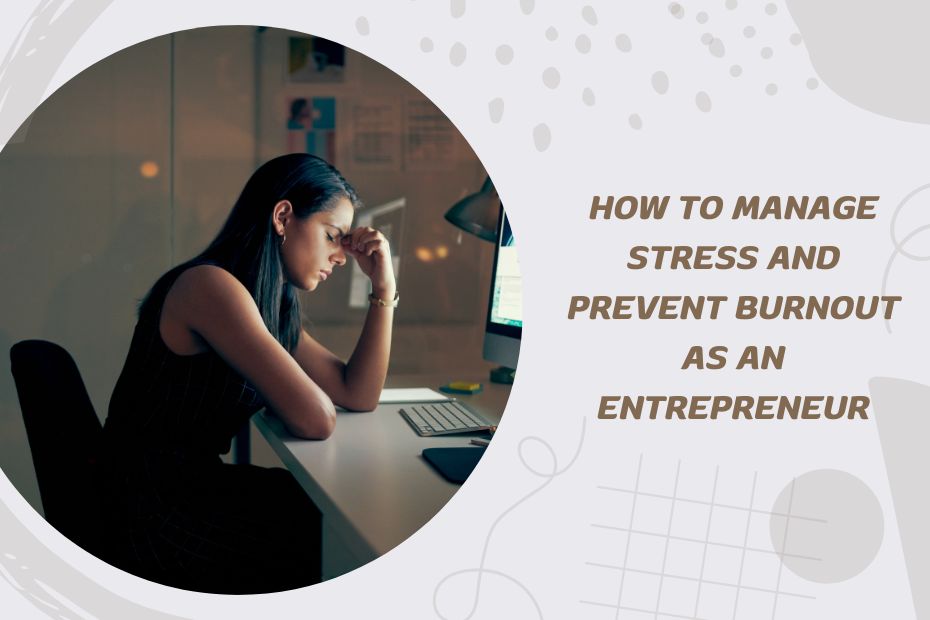
Managing stress and preventing burnout is an increasingly crucial skill for entrepreneurs, as the demands of running a business can stretch both mental and physical limits. Knowing how to create boundaries, develop resilience, and build habits that counteract stress can be the difference between long-term success and exhaustion. Let’s break down strategies to help navigate these challenges while maintaining productivity and a balanced life.
Recognizing the Warning Signs of Burnout
One of the first steps in managing stress effectively is understanding its signs and symptoms. Burnout doesn’t usually appear overnight; it creeps in gradually. In my experience, symptoms often start with subtle changes, such as reduced motivation, prolonged feelings of fatigue, and the sense of being “on edge.” Ignoring these signals can lead to more severe consequences, so it’s critical to pay attention to your mental and physical health.
In practical terms, recognizing burnout might mean noticing when you’re frequently losing sleep, feeling disinterested in tasks you once enjoyed, or even experiencing physical symptoms like headaches or muscle tension. These signs aren’t just inconveniences—they’re indicators that your approach may need adjustment. Self-awareness and honest reflection can go a long way in staying mindful of these early red flags, so you can take proactive steps to address them.
Making Health a Priority Through Regular Breaks
Entrepreneurs are often tempted to push through long workdays, skipping breaks to maximize productivity. However, research and experience show that overworking without breaks leads to diminished returns. Incorporating short, regular breaks into your schedule allows for physical and mental restoration. These pauses can be simple: a walk outside, a few minutes of stretching, or stepping away to grab a healthy snack.
Exercise, even if it’s moderate, contributes to resilience against stress by releasing endorphins, which improve mood and energy. Regular physical activity strengthens the body and creates mental stamina, which is essential for high-stress environments. Scheduling breaks and maintaining a consistent exercise routine might feel challenging, but doing so ensures you stay energized and engaged throughout the day.
Setting Realistic Goals and Expectations
Goal-setting is essential for growth, but many entrepreneurs set ambitious targets that can sometimes feel unattainable. While aiming high has its benefits, realistic goals help prevent the overwhelming pressure that often accompanies an overloaded schedule. The process involves breaking down larger goals into smaller, manageable tasks. This makes progress more attainable and helps you feel a sense of accomplishment along the way.
For example, if you’re launching a new product or entering a new market, establish achievable milestones instead of focusing solely on the end goal. Managing expectations, both personal and professional, means setting yourself up for success rather than allowing unrealistic timelines to create undue stress. The sense of control and clarity from setting attainable targets is invaluable for sustained productivity.
Learning to Delegate Effectively
Many entrepreneurs feel the need to wear multiple hats, handling every aspect of the business themselves. While it may feel empowering to be involved in all areas, this approach quickly becomes unsustainable. Learning to delegate tasks to team members, or even outsourcing specific functions, frees up your time and helps focus on what truly requires your expertise.
Delegation isn’t just about reducing workload; it’s also a strategic way to empower your team and leverage their skills. By assigning responsibilities based on team members’ strengths, you’re sharing the workload and fostering a culture of trust and collaboration. Ultimately, effective delegation leads to a more balanced workload, allowing you to dedicate time to high-priority tasks without getting bogged down in operational details.
Practicing Mindfulness and Stress-Relief Techniques
Mindfulness is a powerful tool for entrepreneurs seeking to manage stress and maintain clarity in decision-making. Simple practices like deep breathing, meditation, or short periods of reflection can make a significant difference. Mindfulness practices aren’t about escaping responsibilities but about approaching them with a calm, grounded mindset.
For those new to mindfulness, start small. Five minutes of meditation or a few moments of focused breathing each morning can help. I’ve found that journaling can also be a practical way to clear the mind. Writing down thoughts or concerns lets you process and prioritize issues before they become overwhelming. Over time, these practices lead to greater mental resilience and help prevent the burnout associated with chronic stress.
Building and Maintaining a Supportive Network
The journey of entrepreneurship can often feel isolating, especially when facing high-stakes challenges. Having a supportive network—whether it’s family, friends, or mentors—provides a space to share ideas, voice concerns, and receive encouragement. Business networks or mentorship groups can offer valuable insights and help reduce the mental load by providing diverse perspectives.
Talking through challenges with trusted individuals can often reveal solutions or approaches that hadn’t been considered. Support networks are not just about advice; they offer a sense of companionship in an otherwise solitary journey. Surrounding yourself with people who understand the demands of entrepreneurship can offer relief, perspective, and encouragement when the pressures of business become overwhelming.
Creating a Balance Between Work and Personal Life
Entrepreneurship is demanding, and it’s easy to let personal life take a back seat. However, pursuing hobbies, spending time with family, or simply unwinding can serve as a reset for your mind and body. Balancing work with personal interests can renew your focus and prevent the monotony that leads to burnout.
Establishing boundaries, like setting a firm end to the workday or dedicating weekends to personal time, ensures that you have space to relax and recharge. Engaging in activities unrelated to business allows you to return to work with a fresh perspective. This balance is essential in maintaining productivity and mental well-being over the long term.
Top Tips to Manage Entrepreneurial Stress
- Recognize early signs of stress
- Set realistic goals
- Take regular breaks
- Delegate tasks
- Practice mindfulness
- Build a support network
- Balance work and personal time
Conclusion: Building Sustainable Habits for Long-Term Success
Managing stress and preventing burnout as an entrepreneur isn’t just about short-term relief; it’s about developing habits that sustain you over the course of your career. By recognizing stress early, prioritizing health, setting clear goals, and cultivating a supportive network, you’re creating a foundation for resilience. Remember, the goal isn’t to avoid stress entirely but to approach it in ways that prevent it from becoming overwhelming. With deliberate practices and strategies, you can maintain both productivity and well-being, achieving long-term success without sacrificing your health along the way.

Yitz Stern is a New York–based entrepreneur and business consultant with 20+ years of experience in alternative funding and real estate. A former CEO of Fundry and managing director at Tiger Financial Technologies, he now advises mid- to large, non-public companies on capital strategy and scalable growth while investing in multifamily real estate